

Blog

What Are the Top Sports Cooler Bags for Global Buyers?

Choosing the right Sports Cooler Bags requires more than comparing colors, logos, and advertised capacity. Global buyers often face different climates, transport conditions, and daily routines. A bag that performs well on a cool European morning may struggle under intense tropical heat.

Outdoor gear writer Chris Townsend once said, “The best equipment is the equipment you will actually use.” That practical view fits cooler bags perfectly. A useful model should match the buyer’s real habits, not simply promise impressive specifications. Consider insulation thickness, zipper quality, leak resistance, and internal organization. A lunch bag for stadium visits needs different features from a larger cooler for cycling tours or beach travel.

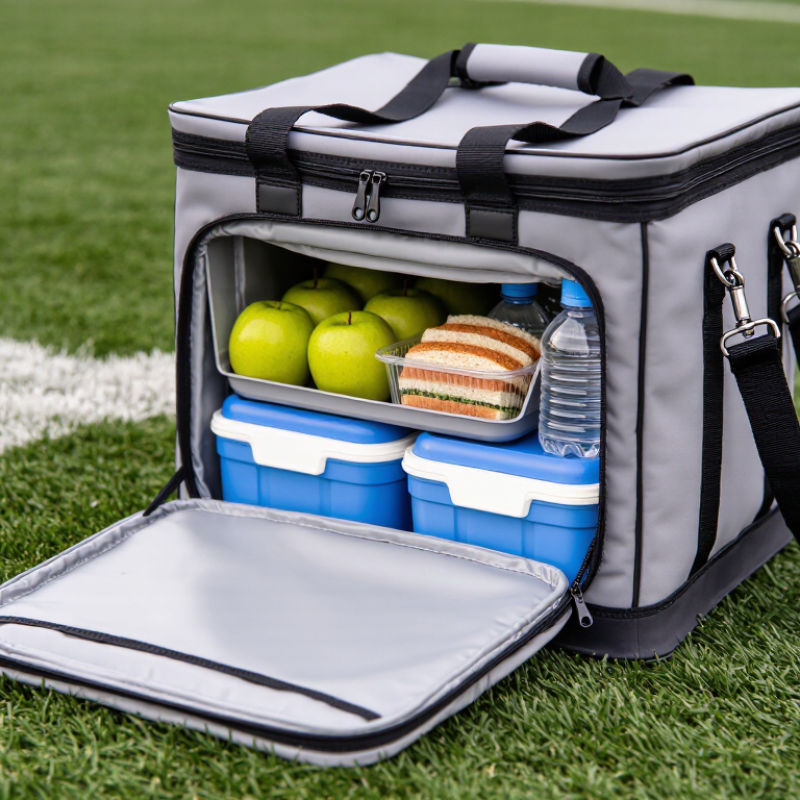
Details matter. Imagine a bag resting beside a football field, holding ice packs, fruit, sandwiches, and two bottles. The lining should wipe clean easily. The shoulder strap should not dig into the neck. The base should remain stable on wet grass. Small weaknesses become obvious during long journeys.

Materials also deserve careful attention. Buyers should check stitching, handle reinforcement, thermal performance, and transparent product information. Independent testing is valuable, although test conditions may not reflect every destination. That limitation is easy to overlook.

Some buying decisions remain imperfect. A highly insulated bag may feel heavy. A lightweight design may warm faster. Larger capacity can also encourage overpacking. Therefore, the best Sports Cooler Bags balance portability, cooling performance, durability, and price for a specific market. Reliable sellers should explain those compromises clearly, rather than hide them behind vague claims.
What Are the Top Sports Cooler Bags for Global Buyers?

Defining Sports Cooler Bags and Their Main Uses

What Are the Top Sports Cooler Bags for Global Buyers?

Defining Sports Cooler Bags and Their Main Uses

A sports cooler bag is an insulated, portable container for chilled food, drinks, and recovery snacks. It usually combines thermal lining, foam insulation, water-resistant fabric, and a secure closure. Unlike a standard backpack, it prioritizes temperature control and easy cleaning. Some models include separate compartments for bottles, utensils, or wet towels.

Its main uses appear around training, competitions, travel, hiking, and outdoor events. A runner may carry electrolyte drinks and fruit after a long session. A youth team may store sandwiches for several hours beside a playing field. The Outdoor Industry Association reported 175.8 million American outdoor participants in 2023. That figure suggests broad demand for practical food transport, though participation data does not measure cooler-bag purchases directly.

Safety matters more than appearance. The United States Department of Agriculture advises keeping perishable food at 40°F or below. It also recommends discarding perishables after two hours without reliable cooling. Buyers should check insulation thickness, ice-pack compatibility, sealed seams, and carrying comfort. Climate changes the choice. Hot, humid destinations need stronger insulation and better moisture resistance. A larger bag is not always better. It may become heavy, awkward, and difficult to clean. Capacity claims can also mislead when manufacturers measure empty space. Testing a packed bag in realistic conditions remains wiser than trusting specifications alone.

Key Features That Matter for Buyers in Different Regions

Global buyers judge sports cooler bags through regional needs, not appearance alone. The Outdoor Industry Association’s 2024 Participation Trends Report recorded 175.8 million outdoor participants in the United States during 2023. That scale shows why practical storage matters at games, gyms, beaches, and training grounds.

In hot regions, buyers should prioritize thick insulation, reflective fabric, and leak-resistant seams. A wide opening helps users add ice quickly. The bag should also tolerate dust and repeated cleaning. In northern markets, compact shape and thermal stability may matter more than maximum capacity. A 12–20 litre design can hold drinks, fruit, and meal containers without becoming difficult to carry. According to the 2024 Global Consumer Insights Pulse Survey by PwC, convenience and product durability strongly influence purchasing decisions across many markets. Buyers should still test those claims.

Different transport habits require different details. European commuters may prefer adjustable shoulder straps and bicycle-friendly proportions. Buyers in Southeast Asia may value breathable panels and quick-dry linings because of humidity. In regions with long car journeys, rigid bases and stable stacking can prevent spills. These details sound minor. They are not.

Materials also affect trust. The European Environment Agency has repeatedly highlighted the need to reduce unnecessary plastic consumption, so recyclable fabrics and replaceable parts may improve long-term value. Yet “eco-friendly” labels can be vague. I would check material specifications, washing instructions, and warranty terms before accepting them. No cooler bag performs perfectly in every climate. A zipper can still fail, especially when overloaded or packed with melting ice.

Comparing Insulation, Capacity, Materials, and Portability

For global buyers, a sports cooler bag should be judged by performance, not appearance. The USDA Food Safety and Inspection Service advises keeping perishable food at or below 4°C, or 40°F. In field use, thick closed-cell foam usually holds temperature better than thin padding. However, insulation fails quickly when the zipper leaks or the lid stays open. A 12–20-liter bag suits one person’s lunch and drinks. Team training often needs 25–40 liters. Bigger is not always better.

Materials affect durability and handling. TPU-coated fabric resists moisture and cleans easily, while recycled polyester can reduce material impact when certified content is documented. PEVA liners are common because they are flexible and easy to wipe, but seams still deserve inspection.

The 2024 Outdoor Participation Trends Report from the Outdoor Industry Association recorded 175.8 million U.S. outdoor participants in 2023. That figure suggests strong demand for reliable portable food storage, although participation data does not directly measure cooler sales. My practical concern is often overlooked: a full 30-liter bag can become awkward before it becomes useful.

Tips: Check liters, empty weight, liner seams, zipper coverage, and strap padding. Test it with four frozen bottles. Leave space for airflow. Choose wide openings for shared meals, and compact shapes for cycling or crowded transport. The best insulation can still disappoint when portability discourages regular use.

Top Sports Cooler Bag Types for Travel, Events, and Outdoor Use

For travel, soft-sided cooler bags are easy to pack in a car trunk or carry through a station. Look for padded straps, a wipe-clean liner, and a zipper that closes securely. Lightweight matters. For flights, check the carrier’s size rules before choosing a bag; dimensions can differ. A compact bag may hold lunch and drinks, but it may not keep ice frozen all day.

For events, tote-style bags offer quick access to snacks, while larger models suit family picnics or team gatherings. Wide openings make loading easier, and separate pockets help keep napkins and utensils dry. For heavier loads, wheels can reduce strain across a parking lot. Still, wheels add bulk and may struggle on grass or gravel. That trade-off is easy to overlook.

For outdoor use, backpack coolers keep both hands free on trails or at the beach. Check the stitching, shoulder padding, and liner seams, especially if the bag will carry ice. A hard-sided cooler can protect food better on longer trips, but it takes more storage space. Capacity claims are not always practical: ice and containers reduce room for food. Choose based on how far you’ll carry it and how long contents need to stay cold.

How to Select a Sports Cooler Bag for Global Purchasing Needs

For global purchasing, the best sports cooler bag is not always the largest. Start with its main use: carrying drinks to a training field, keeping lunch cool during travel, or storing snacks for a team. A compact 10–15-liter bag may suit individual use, while group buyers often need wider openings and stronger handles. Check insulation thickness, lining seams, zipper movement, and whether the base stays stable when loaded. Small details matter.

Tips:
Ask suppliers for product dimensions, material specifications, and care instructions. Request a sample and test it with ice packs, bottles, and a damp towel. Check for leaks after several hours, and carry it by each handle. Test it loaded. Compare packed size and weight too, since bulky cartons can affect shipping costs.

Climate and purchasing conditions vary across markets. A bag used in hot weather needs dependable insulation and easy-to-clean inner surfaces; lighter colors may show less heat, but can stain more visibly. Confirm available colors, carton quantities, lead times, and packaging before placing a large order. Do not rely on photos alone. A sample can look excellent on a desk, then feel awkward after a full afternoon outdoors. It is worth reconsidering the size once real users have tried it.

Now Hiring!