How to Choose the Best Equipment for Coffee Brewing?
Choosing the right equipment coffee is essential for brewing the perfect cup. According to the Specialty Coffee Association, consumer demand for high-quality coffee continues to rise, with a growth rate of 20% annually. As people become more coffee-savvy, the need for proper brewing gear becomes evident.
When selecting equipment coffee, consider the brewing method that suits your taste. Different methods, such as pour-over, espresso, or French press, each require specific tools. A recent report from Statista indicates that the global coffee machine market will reach $60 billion by 2024. This reflects the increasing investment in quality brewing equipment among coffee enthusiasts.
However, finding the best equipment can be overwhelming. There is a plethora of options, which leads to confusion. Some may invest heavily in machines without fully understanding their features. It’s crucial to reflect on your coffee preferences and habits before making a purchase. Not every piece of equipment can deliver outstanding results, and sometimes the most expensive option isn’t the best fit for your needs.
Understanding Different Coffee Brewing Methods
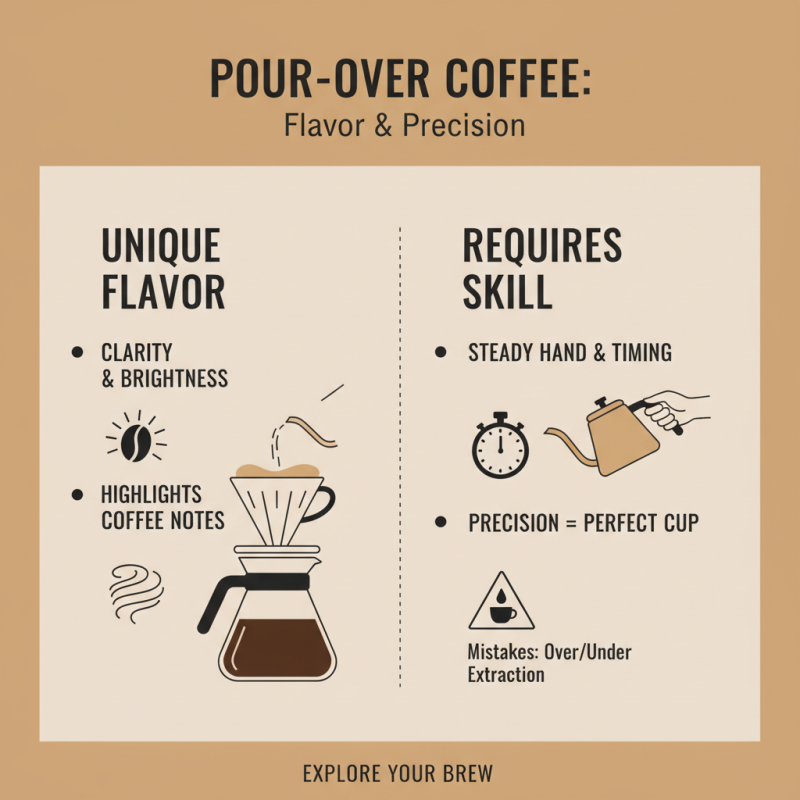
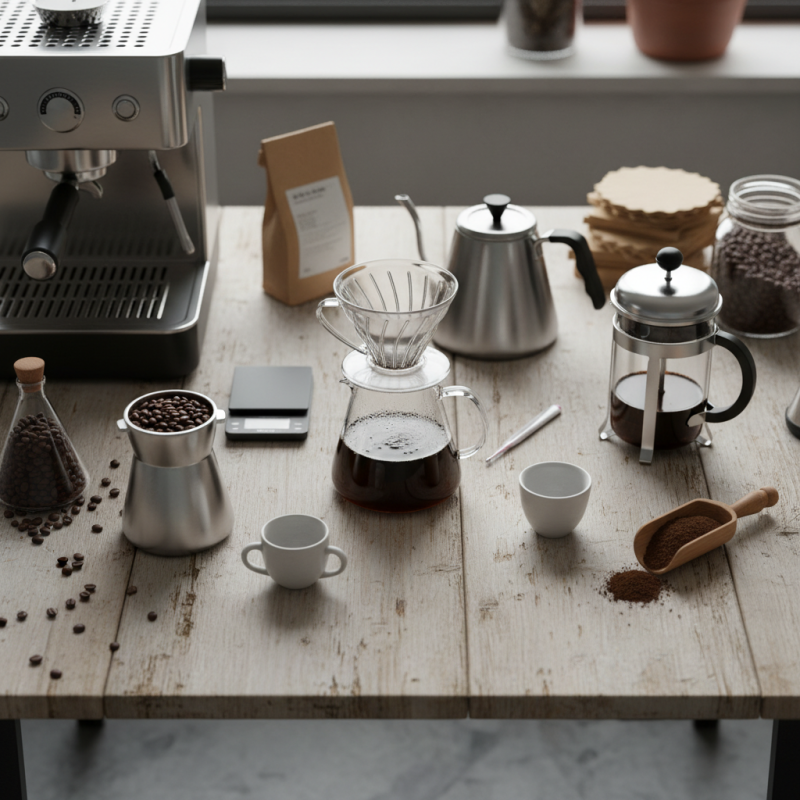
When choosing coffee brewing methods, it's important to explore various techniques. Each method offers a unique flavor profile. For instance, pour-over brewing delivers clarity and brightness. It requires a steady hand and precise timing to achieve the desired flavor. A slight mistake can lead to over-extraction or under-extraction.
French press brewing is another popular choice. It features a robust and full-bodied taste. However, the process can be a bit messy. The grounds often float to the top, creating a film, which some may find unappealing. Experimenting with steeping times can yield different results, leading to potential surprises in flavor.
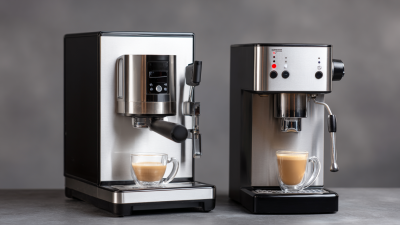
Espresso is favored for its rich, intense flavor. This method relies on high pressure and finely ground coffee. It’s quick yet requires precision. A small variation in grind size can significantly alter the taste. Over time, mastering the espresso machine can become a rewarding challenge. Each method invites exploration, allowing coffee lovers to discover their preferences while navigating some trial and error.
Evaluating Essential Coffee Brewing Equipment
When evaluating essential coffee brewing equipment, consider the brewing method that suits your taste. Drip coffee makers are popular, as they are simple and efficient. In 2022, nearly 35% of households in the US used drip coffee machines. Yet, pour-over systems are gaining traction. They allow for more control and can enhance the extraction process, appealing to coffee aficionados.
Another essential tool is the grinder. A quality burr grinder ensures uniform particle size, crucial for flavor consistency. Research shows that grind size can alter extraction by up to 30%. Many beginners overlook this. An inexpensive blade grinder may not provide the best experience, leading to frustration during brewing.
Water quality is equally important. According to studies, over 90% of a cup of coffee is water. Using filtered water can dramatically improve taste. Additionally, temperature matters. Ideally, water should be between 195°F and 205°F. Too hot or too cold can lead to under-extraction or bitterness. Many brewers struggle with this detail, often leading to mediocre brews. Investing time in these areas helps enhance the overall coffee experience.
How to Choose the Best Equipment for Coffee Brewing? - Evaluating Essential Coffee Brewing Equipment
| Equipment Type |
Key Features |
Price Range |
Best For |
| Drip Coffee Maker |
Automatic brewing, multiple servings |
$20 - $300 |
Home brewing for families |
| French Press |
Full immersion, simple to use |
$15 - $50 |
Single servings, rich flavor |
| Espresso Machine |
High pressure brewing, milk frothing capability |
$100 - $2000 |
Coffee enthusiasts, making lattes/cappuccinos |
| Pour Over |
Manual control, customize brewing |
$20 - $150 |
Coffee purists, single servings |
| Cold Brew Maker |
Slow brewing method, less acidity |
$20 - $80 |
Summer preference, less bitter taste |
Determining the Right Grind Size for Your Brew Method
The grind size of your coffee beans can greatly affect the taste of your brew. Different methods require different grind sizes. For instance, a coarse grind is ideal for a French press. It allows the water to extract flavors slowly. On the other hand, espresso needs a fine grind. This ensures quick extraction under pressure.
Tips: Experiment with grind sizes. Adjusting this can lead to new flavor discoveries. Keep your beans fresh. The grind should be done just before brewing. Over time, ground coffee loses flavor.
Consistency is key in grinding. A burr grinder will provide uniform particles, enhancing extraction. But it’s not always necessary. Sometimes, a simple blade grinder can work. Just be mindful of how long you grind. Rushing might result in uneven particles.
Many struggle to find the right grind size. It takes practice and patience. If your coffee tastes bitter or weak, reassess your grind. Reflect on how grind size influences flavor. It’s a journey worth taking.
Exploring Temperature and Time Factors in Coffee Brewing
Brewing coffee is both an art and a science. Temperature and time are critical factors in deciding the final taste. The ideal brewing temperature ranges from 195°F to 205°F. A study from the Specialty Coffee Association highlights that brewing below this range results in under-extraction, leading to sour notes.
Time is just as important. According to research, the optimal brew time varies between methods. For instance, a French press usually brews for four minutes. A pour-over might take just three minutes. Over-extraction can occur with prolonged brewing. Experts suggest tasting at different intervals to find your personal preference.
Maintaining consistency is challenging. Even slight variations in temperature can yield different flavors. A 2021 report indicated that 37% of home brewers struggle with temperature control. Investing in a thermometer may help. The right equipment significantly influences the process. However, finding a balance in time and temperature remains subjective. Empirical experimentation is often necessary.
Considering Budget and Quality in Equipment Selection
Choosing the right coffee brewing equipment can be challenging. When considering your budget, determine how much you are willing to invest. Quality should be a priority. However, balancing cost and performance can lead to tough choices. Sometimes, low-cost options may lack durability. This might mean frequent replacements, which can increase long-term expenses.
Quality equipment enhances the brewing experience. Look for features that suit your preferences. Manual methods may take practice but offer better control over flavor extraction. An expensive gadget might sit unused. If it feels complicated, you may abandon it. Think about practicality. Does it fit your lifestyle?
Moreover, remember maintenance costs. Filters, cleaning supplies, and accessories add up. It’s easy to overlook these expenses when buying. A thorough evaluation of potential equipment should include these factors. Investing time in research helps avoid regrets later. Sometimes, less is more. A simple, effective setup can produce excellent results. Aim for a balance that satisfies both your taste and budget.
Equipment Quality vs. Price for Coffee Brewing