

Blog
How to Choose Dried Cucumber Powder for Bulk Buying
Buying Dried Cucumber Powder in bulk is not just a price comparison. The right choice depends on how the powder will be used, stored, and handled. A fine, pale-green powder may suit seasoning blends, while another batch could work better in soups or drink mixes. Appearance offers clues, but it cannot confirm quality on its own. Check the ingredient list, processing details, and product specifications. Simple checks matter.
Ask suppliers about moisture, particle size, packaging, and batch consistency. These details affect flow, blending, and shelf stability. Request a recent specification sheet and, where practical, a sample from the same production lot you may purchase. Test it in your actual recipe. A powder that looks promising in a sample pouch can behave differently in a large mixer. That is easy to overlook.
Reliable suppliers should explain their quality checks clearly and provide traceable batch information. Compare quotes only after confirming that pack size, grade, and delivery terms match. The lowest price may hide differences in concentration, freshness, or handling requirements. Still, paperwork does not tell the whole story; taste and performance matter too. Buyers should also consider storage space, resealable packaging, and realistic order volumes. A large order can reduce unit costs, but it can also leave slow-moving stock on the shelf. There is no perfect checklist. Use consistent criteria, document what you learn, and be ready to revise your choice after testing.
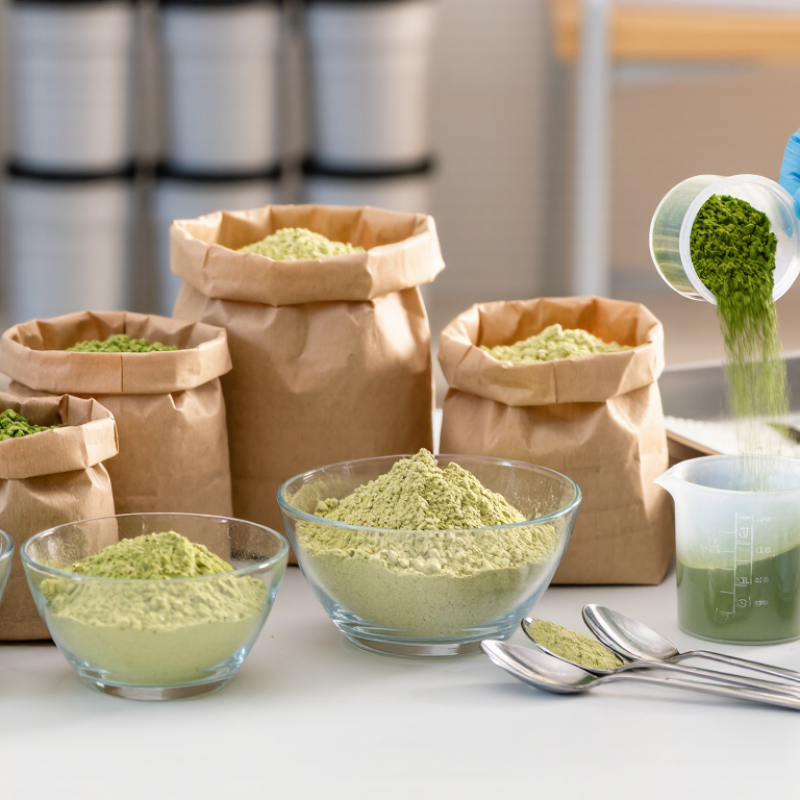
Define Your Intended Uses and Required Product Specifications
Before requesting bulk quotes, define where the dried cucumber powder will go. A soup blend may need a fine particle size that disperses quickly, while a seasoning mix may benefit from a coarser texture. Write down your target flavor, color, and aroma, then compare samples in the actual recipe. A pale green powder can look appealing, but color alone says little about taste.
Set specifications that suppliers can verify. Ask for particle-size range, moisture level, ingredient list, packaging format, and a current product specification sheet. For food production, request relevant testing information and confirm that the documents match the lot being offered. These details help you compare suppliers fairly. They also reduce surprises during storage or processing. I would not assume that every powder behaves the same in a wet mixture; small differences can matter.
Tips: Test a sample at your intended dosage. Check for clumping after mixing, and note any earthy or bitter aftertaste. Keep the sample sealed between trials. If your requirements are still uncertain, record what needs adjustment rather than approving a specification too early. Bulk decisions are harder to reverse.
How to Choose Dried Cucumber Powder for Bulk Buying - Define Your Intended Uses and Required Product Specifications
Use this comparison as a purchasing guide. Set final acceptance limits with your supplier and verify them against your recipe, destination-market requirements, and product testing.
| Intended use | Useful product specifications | Checks before ordering | Bulk-buying considerations |
|---|---|---|---|
| Seasoning blends and dry soup mixes | Fine, consistently milled powder; a practical starting point is 80–100 mesh. Request free-flowing powder with no added salt, carrier, or anti-caking agent unless required by the recipe. | Check particle-size distribution, color and aroma; test for even dispersion in the finished blend and inspect a representative sample for caking or foreign matter. | Confirm that the quoted mesh refers to a sieve specification. Ask for inner food-contact packaging and a lot code for traceability. |
| Soups, sauces and other rehydrated foods | Choose a grind that disperses in the intended process; a medium-fine grade around 40–80 mesh may be suitable for evaluation. Specify moisture and water activity limits with the supplier; example buyer targets are moisture at or below 8% and water activity at or below 0.60. | Run a bench test for wetting, lump formation, texture and flavor after cooking. Request current moisture and water-activity results for the production lot. | Agree on whether the powder is made from peeled or unpeeled cucumber and whether seeds are included, as these can affect color and texture. |
| Dry beverage or smoothie mixes | A fine grade, such as 100 mesh or finer, can be trialed for a smoother mouthfeel. Confirm that the ingredient is plain cucumber powder if a single-ingredient declaration is needed. | Evaluate dispersion in cold and room-temperature liquid, sedimentation, color, and flavor at the intended serving concentration. Powder may not fully dissolve. | Check ingredient and allergen statements, label support documents, and whether the proposed grade performs consistently across lots. |
| Bakery mixes, crackers and dry coatings | Select a particle size compatible with the flour or coating system. Specify a natural green-to-pale-green color range only if color consistency matters to the finished product. | Bake or fry a pilot batch and review flavor, color, moisture impact, and distribution in the mix. Compare samples under consistent storage and preparation conditions. | Set a visual reference sample and an agreed color assessment method rather than relying on color descriptions alone. |
| Seasoning for prepared foods or snack applications | Choose a powder that blends evenly with the other dry ingredients. Confirm whether any flow aid is present and whether it is permitted in the target market and label. | Check blend uniformity, flavor after processing, and compatibility with the application method. Review a certificate of analysis and applicable food-safety documentation. | Request allergen, pesticide-residue, and microbiological documentation appropriate to the product and destination market; agree on test methods and limits before contracting. |
| Any bulk application | Write a product specification covering ingredients, processing form, mesh or particle size, moisture, color, sensory profile, and any required testing limits. | Review the product specification, lot-specific certificate of analysis, country of origin, shelf life, storage conditions, and food-safety program documentation. | Request a pre-purchase sample, confirm minimum order quantity and lead time, and specify packaging size, moisture-barrier protection, shipment terms, and change-notification requirements. |