

Blog

What Is the Best Polymer Heat Exchanger in 2026?

Choosing the best Polymer Heat Exchanger in 2026 starts with the actual process, not a product ranking. The right design depends on fluid chemistry, operating temperature, pressure, fouling risk, and cleaning access. A unit handling mildly corrosive water may not suit a concentrated chemical stream. Details matter.

Dr. John R. Thome, a heat-transfer researcher, has contributed extensively to heat-exchanger engineering. A concise paraphrase of a sound design principle—not a verified verbatim quotation—is: “Match the exchanger to the duty, materials, and operating limits.” That distinction matters. Without a traceable source, presenting this wording as his exact statement would be misleading.

Look beyond headline efficiency. Compare polymer type, wall thickness, thermal performance, pressure limits, connection design, and maintenance requirements. Ask for test data under conditions close to your own. Check how the unit behaves during startup, shutdown, and flow changes. A glossy specification sheet cannot answer every question.

There is no universal winner. Not quite. The best choice balances heat-transfer needs with chemical compatibility, service life, and total operating cost. This guide examines those trade-offs and explains which details deserve closer review before purchase. It also recognizes a practical limitation: available test data and real operating conditions may not align perfectly. That gap deserves attention, not a confident guess.
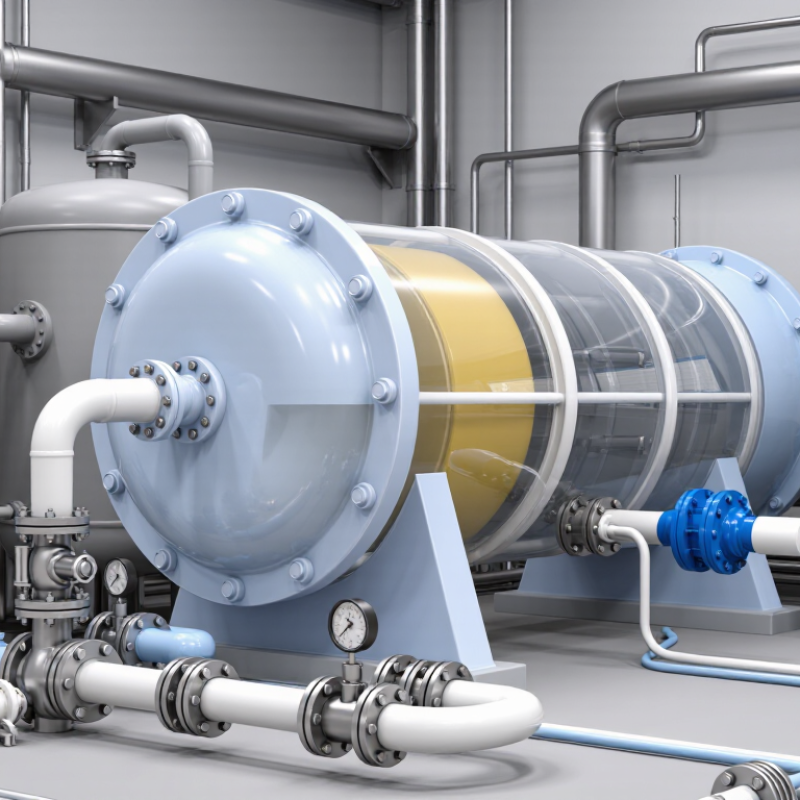
What Is the Best Polymer Heat Exchanger in 2026?

Understanding Polymer Heat Exchangers and How They Work

A polymer heat exchanger transfers heat between two fluid streams through a plastic wall, often formed into tubes or plates. Hot process fluid warms the wall, and cooler fluid carries the heat away. Simple in principle. Polymers such as polypropylene and fluoropolymers can resist chemicals that attack metals. Their lower thermal conductivity, however, usually calls for thin walls or more surface area. That trade-off matters.

The U.S. Department of Energy’s 2008 waste-heat report estimates that industry loses 20–50% of its energy input as waste heat. The figure signals recovery potential, not a guaranteed saving from any particular exchanger. In practice, engineers compare fluid chemistry, temperature, pressure, fouling, and cleaning access before choosing a design. A unit handling acidic wash water may suit a polymer surface, while a high-temperature stream may exceed its limits. Check the actual operating envelope. One detail is easy to miss: thin polymer walls can improve heat transfer, but may reduce mechanical margin. The best choice depends on measured process conditions, and those are not always as steady as a design sheet suggests.

What Is the Best Polymer Heat Exchanger in 2026?

Thermal conductivity is one factor in heat-exchanger performance. This chart compares typical room-temperature values for selected unfilled polymers; actual values vary by grade and operating conditions.

How to interpret: Higher thermal conductivity can support heat transfer, but it does not alone determine the best material. Chemical compatibility, operating temperature and pressure, fouling, and exchanger design also matter.

Comparing Polymer Materials, Designs, and Performance

Polymer heat exchangers differ in chemical resistance, temperature limits, stiffness, and heat-transfer performance. Polypropylene is often practical for moderate temperatures and many corrosive fluids. PVDF can suit harsher chemical service and higher operating temperatures, though exact limits depend on pressure and construction. Fluoropolymers such as PTFE resist many aggressive fluids, but their low thermal conductivity can require more surface area. That matters.

Design changes the trade-offs. Plate-style units can offer compact layouts and efficient heat transfer, but narrow passages may be vulnerable to blockage when fluids carry solids. Shell-and-tube designs are often easier to inspect or clean, although they may need more installation space. Coiled tubing can fit specialized tanks, but flow distribution and maintenance deserve close attention.

A material’s data sheet is only a starting point. Check the actual fluid mixture, temperature swings, pressure, flow rate, and cleaning method with a qualified supplier or engineer. A small compatibility mismatch can lead to swelling, cracking, or leakage over time. In operation, watch for uneven outlet temperatures, deposits, and pressure changes. The “best” choice is the one that meets the process requirements with a maintainable design—not simply the one with the highest stated temperature rating. Real installations are messier than comparison tables suggest.

Where Polymer Heat Exchangers Are Used in 2026

In 2026, polymer heat exchangers are used where corrosion resistance matters more than extreme operating temperatures. Chemical processing is one clear example. Acidic or alkaline streams can attack metal equipment, while suitable polymers may tolerate these fluids and reduce corrosion-related maintenance. Material compatibility still needs careful checking; “plastic” is not one universal solution.

Wastewater treatment facilities use polymer exchangers in corrosive process streams and, in some designs, to recover heat from exhaust gases. Electronics manufacturing can also benefit when clean process water must be heated or cooled without unwanted metal contact. In coastal facilities, salt-laden air and water create another practical use case. These systems are often compact. Space can be tight around pumps, pipes, and service platforms.

The best fit depends on temperature, pressure, fluid chemistry, and cleaning needs. Polymer units generally suit moderate-duty service, not every high-heat application. That matters. A site engineer should review operating records and fluid samples before choosing a material. Fouling can still occur, and cleaning methods must not damage the polymer. One detail is easy to miss: a lower purchase price does not guarantee lower lifetime cost. Sizing and maintenance plans deserve equal attention.

Key Criteria for Choosing the Best Polymer Heat Exchanger

What Is the Best Polymer Heat Exchanger in 2026?

Key Criteria for Choosing the Best Polymer Heat Exchanger

Choosing a polymer heat exchanger starts with the fluid, not the catalogue headline. Identify every chemical in the process, including cleaning agents, and compare them with the exchanger’s material compatibility data. Temperature and pressure limits matter just as much. A polymer that resists corrosion may still lose strength under heat or pressure. Check the manufacturer’s documented operating range for the actual conditions, not just a peak rating. Details matter.

Thermal performance deserves careful review because polymers generally transfer heat less readily than metals. Compare the required heating or cooling duty with the unit’s surface area, flow rate, and pressure drop. A higher heat-transfer figure alone may not tell the full story. I’ve seen specifications look convincing on paper, yet leave fouling and cleaning access unclear. That gap is worth questioning. Ask how the exchanger handles suspended solids, how it can be cleaned, and whether performance data reflect similar fluids and operating conditions.

Also consider installation space, connection type, expected maintenance, and the cost of replacing components over time. Request test data and written limits, then have a qualified process engineer check them against your operating profile. No single model suits every plant. Some trade-offs are unavoidable. A compact unit may be easier to install but harder to service, so inspect the real layout before deciding.

Leading Options and Trade-Offs for Different Applications

Polymer heat exchangers suit corrosive, wet, or contamination-sensitive duties, but the best option depends on temperature, pressure, and fluid chemistry. Polypropylene often fits lower-temperature acid or wastewater service. PVDF offers a broader temperature window and stronger chemical resistance, while fluoropolymer designs can handle especially aggressive fluids. Not always. Each material has limits, and operating conditions can narrow the choice quickly.

The U.S. Department of Energy’s 2008 report, Waste Heat Recovery: Technology and Opportunities in U.S. Industry, estimates that 20–50% of industrial energy input can leave as waste heat. That figure supports recovery projects, not a blanket preference for polymer equipment. Polymer walls generally transfer heat less readily than metal walls, so designers may need more surface area, thinner sections, or slower flow. In practice, a compact plastic unit can still be attractive where metal corrosion causes frequent replacement. Check fouling, cleaning methods, and pressure swings—not just a material compatibility chart.

For seawater, brine, or corrosive scrubber liquids, a polymer exchanger may reduce corrosion risk and maintenance interruptions. For high-pressure service or tight approach temperatures, metal equipment may remain the better fit. Ask for verified operating limits, test data using the actual process fluid, and a clear inspection plan. A pilot helps. I would also verify performance after fouling develops; clean-fluid ratings can look reassuring, but real plants are rarely that tidy.

What Is the Best Polymer Heat Exchanger in 2026? Leading Options and Trade-Offs for Different Applications

There is no single best polymer heat exchanger for every duty. The right choice depends on fluid chemistry, temperature, pressure, heat-transfer area, fouling, and maintenance requirements.

Option Typical application fit Approximate continuous-use temperature guide* Approximate thermal conductivity of unfilled resin Main advantages Key trade-offs
Polypropylene (PP) block or plate-style exchanger Corrosive aqueous services at modest temperatures; water treatment, chemical exhaust scrubbing, and some process-water duties. Often selected for service up to about 80–90 °C, subject to pressure and design. About 0.1–0.22 W/(m·K) Relatively low material cost; broad resistance to many acids, alkalis, and salts; practical for large-area designs. Limited temperature and pressure capability compared with higher-performance polymers; compatibility must be checked for solvents and oxidizing chemicals.
Polyvinylidene fluoride (PVDF) tube or shell-and-tube design Corrosive liquid duties where a balance of chemical resistance, temperature capability, and mechanical strength is needed. Some grades are used up to roughly 120–140 °C; exchanger limits may be lower. About 0.12–0.19 W/(m·K) Good resistance to many acids, halogens, and solvents; generally stronger and more temperature-capable than PP. Higher material cost than PP; not compatible with every solvent or chemical mixture; low polymer conductivity can require substantial surface area.
PTFE tube-bundle exchanger Highly corrosive or chemically demanding services, especially where broad chemical inertness is a priority. Resin capability can extend to about 200–260 °C, but practical exchanger ratings depend strongly on pressure, support, and construction. About 0.2–0.3 W/(m·K) Very broad chemical resistance; useful for aggressive fluids and applications where many other polymers are unsuitable. Low stiffness and creep under load can constrain pressure and support design; relatively low heat-transfer performance may require a larger exchanger.
Perfluoroalkoxy (PFA) tube-bundle exchanger High-purity or corrosive chemical duties requiring fluoropolymer resistance and a melt-processable tube material. Commonly considered for elevated-temperature service, with grade and design limits requiring confirmation. About 0.19–0.25 W/(m·K) Broad chemical resistance; can be formed into tubing; useful where purity and corrosion resistance are important. Material and fabrication costs are typically high; low thermal conductivity and pressure limits still need to be addressed in the exchanger design.
Polyether ether ketone (PEEK) components or compact exchanger Specialty duties needing higher mechanical strength and temperature capability than commodity polymers can provide. Some grades support continuous use around 250 °C; actual fluid-side and pressure limits depend on the design. About 0.25 W/(m·K) High strength and temperature capability for a polymer; useful for demanding components and specialized equipment. High material cost; chemical compatibility is not universal, so it may not replace fluoropolymers in the most aggressive chemical services.

How to choose: PP is often a practical starting point for lower-temperature aqueous duties; PVDF suits many more demanding corrosive services; PTFE or PFA is worth considering when chemical resistance is the primary constraint; and PEEK may fit specialized high-temperature or high-strength requirements. These are material-level comparison guides, not guaranteed exchanger ratings. Temperature and conductivity values vary by grade, pressure, reinforcement, and construction. Confirm chemical compatibility and obtain the supplier’s rated operating limits for the complete exchanger.

Now Hiring!